Intro
This one went out with a bang, literally. Was parked idling and the whole car shook – initially I thought that I had been crashed into!
I got out and checked underneath but couldn’t see anything obvious. A moment after getting back in, smoke started pouring from under the bonnet. The air conditioning compressor had stopped rotating but the clutch was still engaged resulting in the compressor clutch ripping itself apart.
Sad times at 35 degrees outside!
Diagnosis
After my initial diagnosis I checked a little further. I removed the small bolt in the centre of the compressors clutch pulley, then the front half of the clutch pulls off.
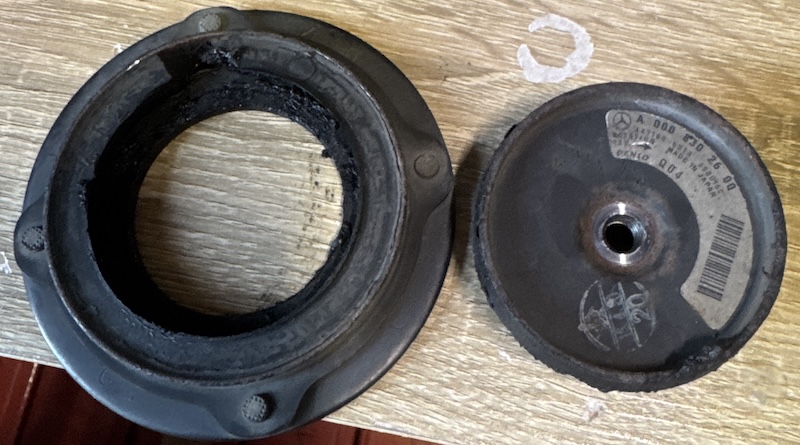
These two separated pieces of the front of the clutch are normally joined together. With the A/C switched off, the pulley is freewheeling and the compressor shaft remains stationary. When the A/C is switched on, the magnetic clutch engages, locking the pulley and front clutch plate together, causing the compressor shaft to rotate. As the compressor wasn’t rotating but the clutch was, the two sections have ripped apart.
I used the section on the right to try and turn the compressor shaft but it went half a turn before stopping solid – confirming some sort of internal mechanical failure.
Sourcing A New Compressor
A quick check of MB EPC showed A0008302600 as the unit fitted to my car, which was subsequently superseded by A0008307400. As much as I have a love for genuine parts, with an RRP of £971.00, that choice wasn’t for me.
The unit was a Denso unit, which conveniently had the Mercedes-Benz number as per EPC on the front of the remains of the clutch – A0008302600. A sticker on the side also had the following numbers for reference:
- 447280-7081
- 6SBU16C 04S14912
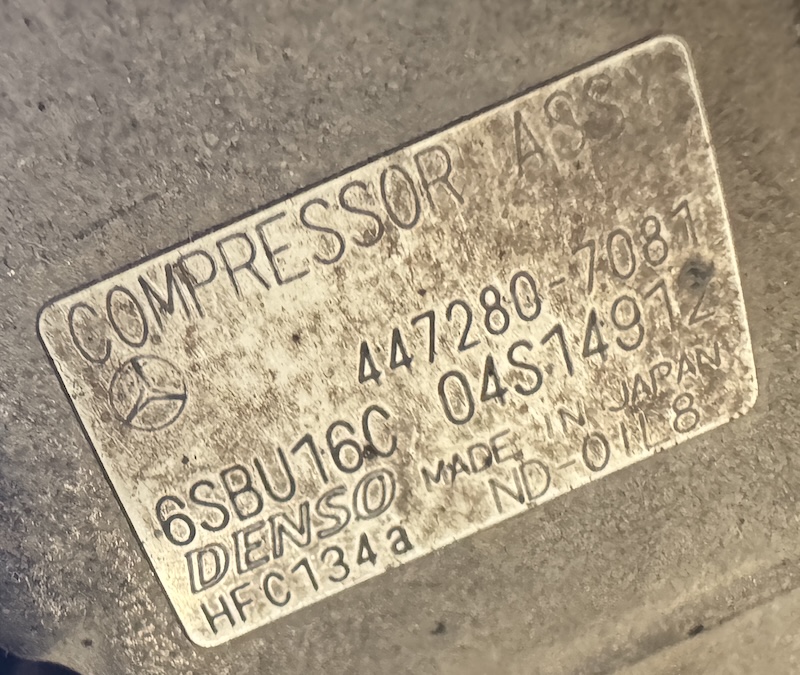
A little bit of Denso decoding;
First number is the Denso Number, 447280 meaning compressor and 7081 being application. (Denso has used several prefixes for compressors over the years, not just 447280. There are also see prefixes such as 447100-, 447160-, 447170-, 447220-, 447260-, etc., depending on the compressor series and era)
The 6SBU16 is the Denso type / family of compressor and the later numbers The remaining digits appear to relate to production information, although Denso’s exact internal coding isn’t widely documented.
Breaking down 6SBU16C;
- 6 = six-piston swash-plate compressor.
- SBU = DENSO compressor series.
- 16 = model/size designation within the SBU series
- C = design revision/suffix used by Denso
HFC134A is purely indicating that it uses R134a AC gas.
ND-OIL8 – Denso’s spec number on the oil.
OE Cross Reference;
Cross references for the main big brands come up with the following;

Valeo ended up being the choice with availability and good price. Even come with a couple of seals.
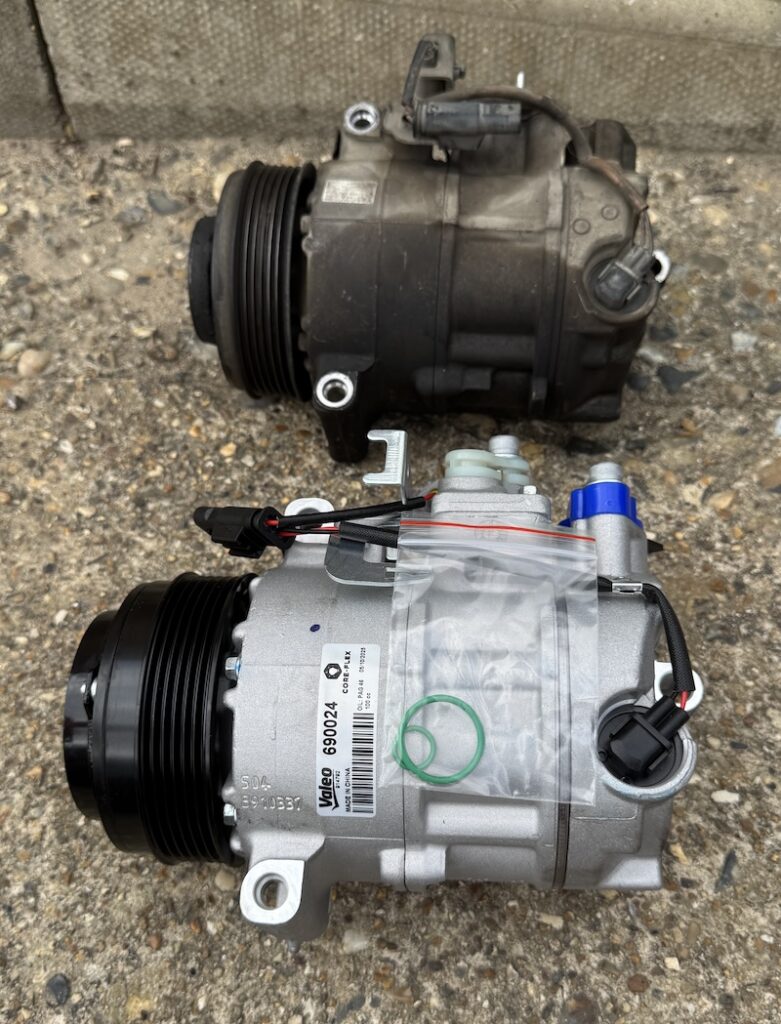
Replacing the compressor
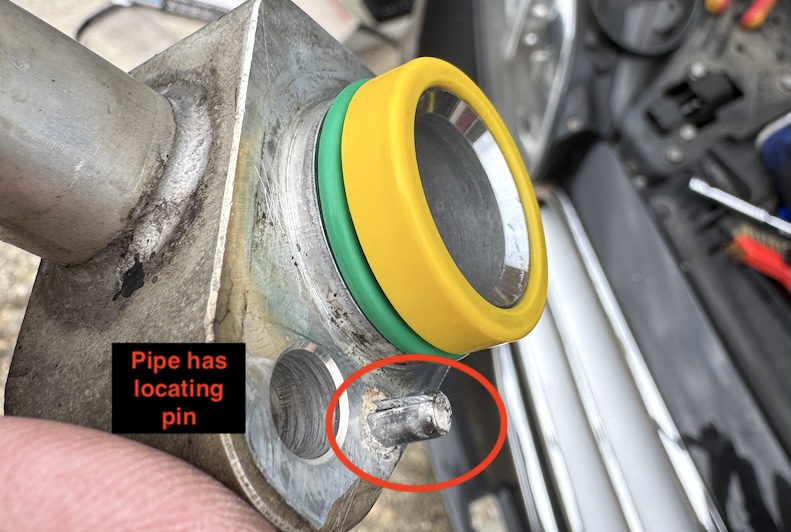
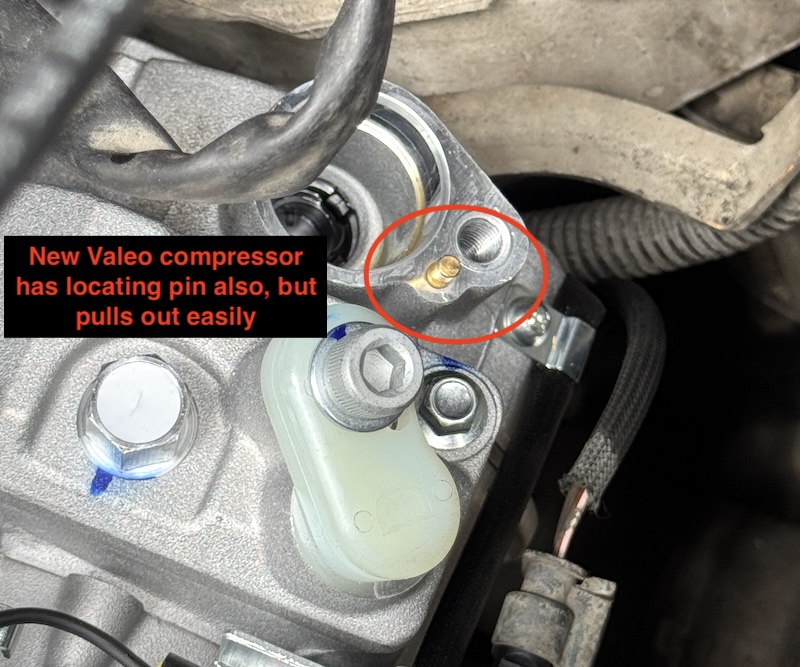
This is a relatively straight forward job and took around an hour to complete. You will need to get a garage to degass the system first assuming that you have any left. Before putting your replacement compressor in, check if the larger port has a locating pin in it – it will need to be removed and is easer when the unit is out – see notes below.
My W212 is a later model and has an electric power steering pump which leaves plenty of room around the AC compressor. If you do have hydraulic pump there should be still quite a bit of room to get the compressor out.
Removing the larger pipe that runs up to the connection point at the passenger-side wheel arch made things just that little bit easier and is only a 10mm socket required.
I also took this opportunity to replace the drive belt, tensioner and guide pulley. All was original and at 380,000 miles. How they had lasted that long is beyond me – the bearings on the tensioner and guide still sounded good.
To replace the compressor & belt pulleys – you will need;
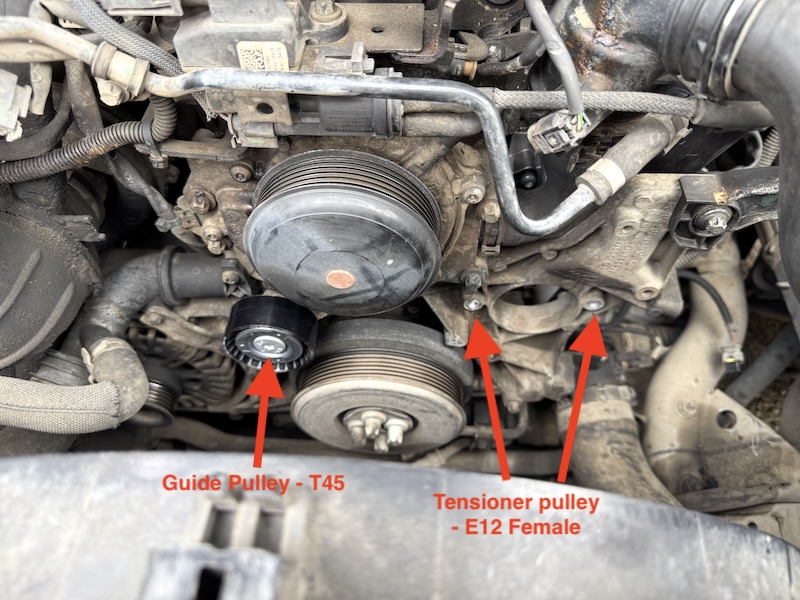
– 17mm multipoint socket – to release the tension on the drive belt
– T45 Torx bit – drive belt guide pulley bolt & refrigerant lines to compressor.
– E12 female Torx socket – tensioner to engine bracket bolts & compressor to engine bracket bolts.
Il spare you the step-by-step and provide the workshop instructions here;
To be uploaded…
Couple of notes and pictures;
Drive belt route;
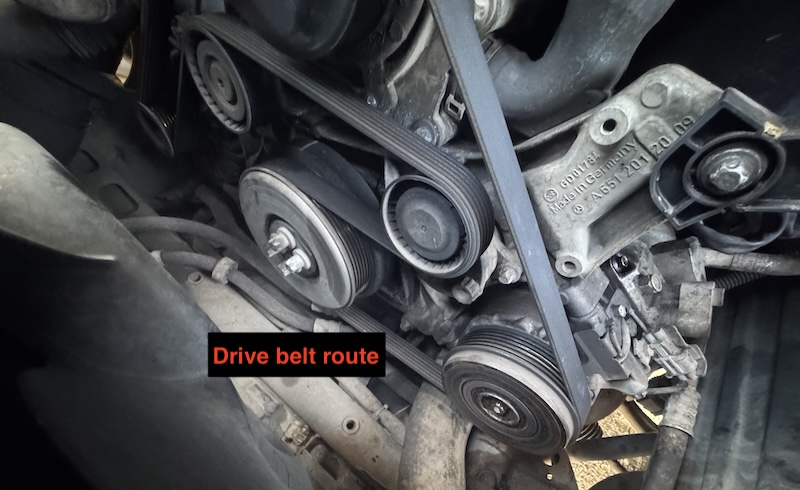
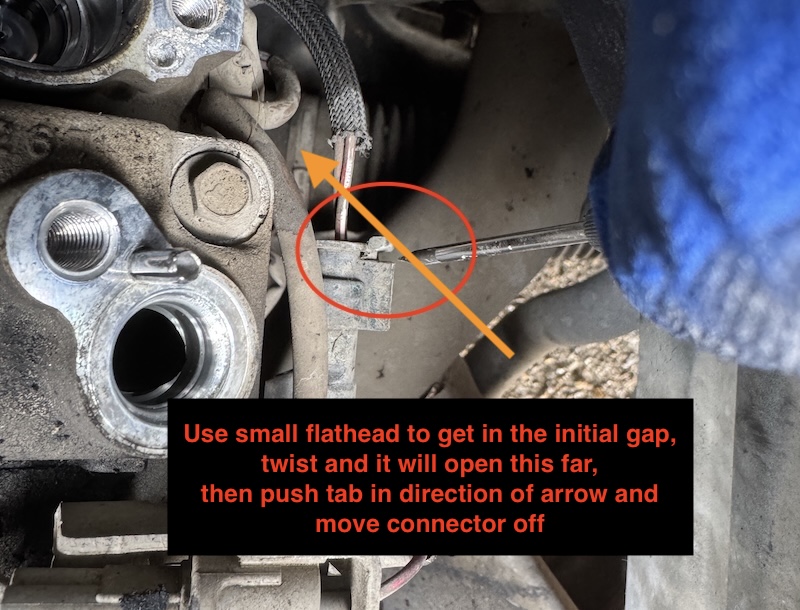
Releasing wiring connector;
Drive belt guide / tensioner bit & socket size
Large pipe has a locating pin
Valeo compressor also has a locating pin – but this pulls out easily with a pair of pliers.
Cause of failure / strip down of compressor
I don’t know a lot about AC compressors and normally I find taking something apart helps me learn how it works and / or what has caused it to fail. Some of the component names may not be technically correct, so feel free to correct me
One thing that is certain is that the failure was sudden.
As per the pictures below, one of the piston assemblies has clearly fractured.
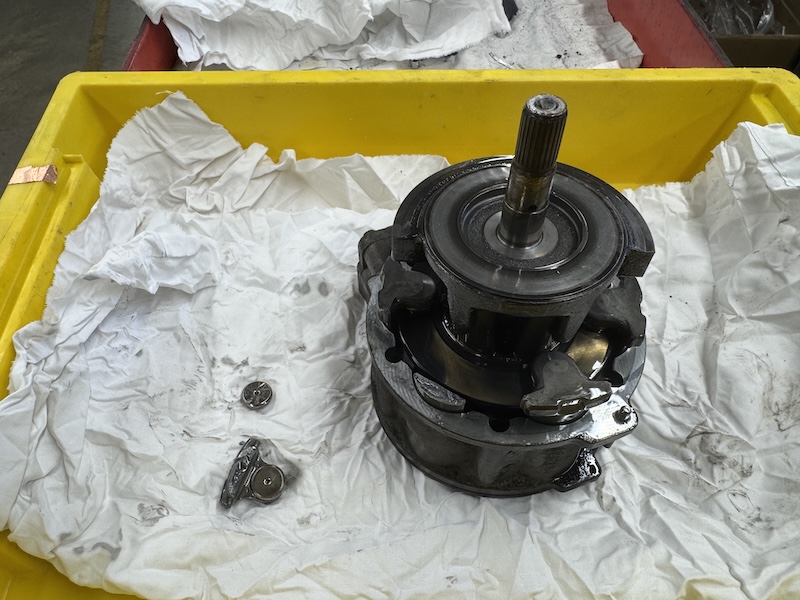
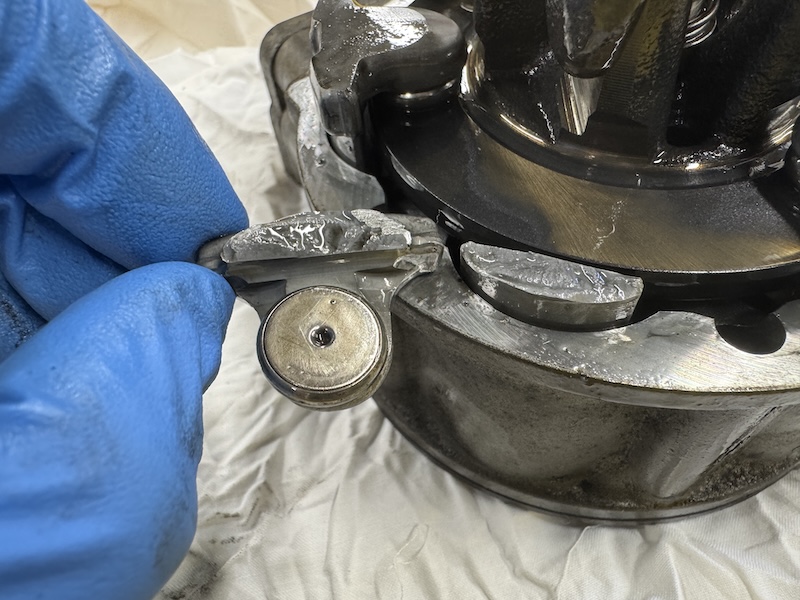
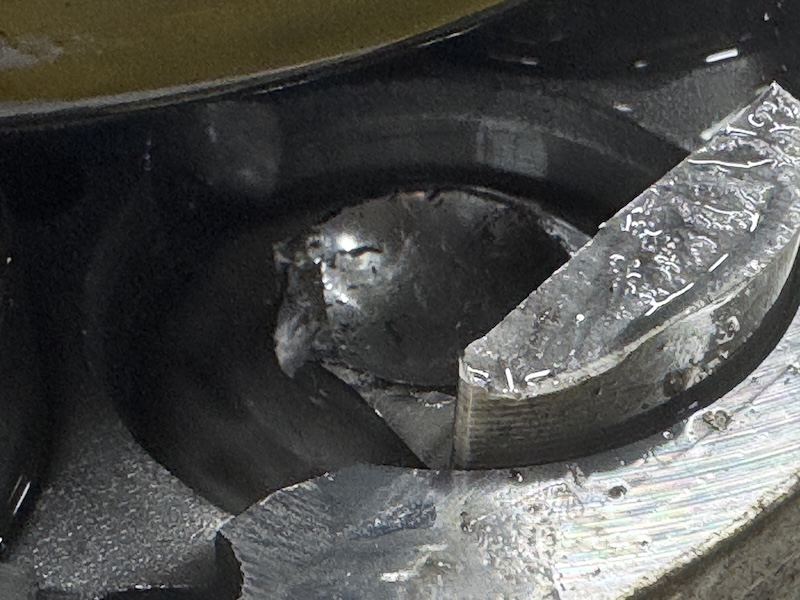
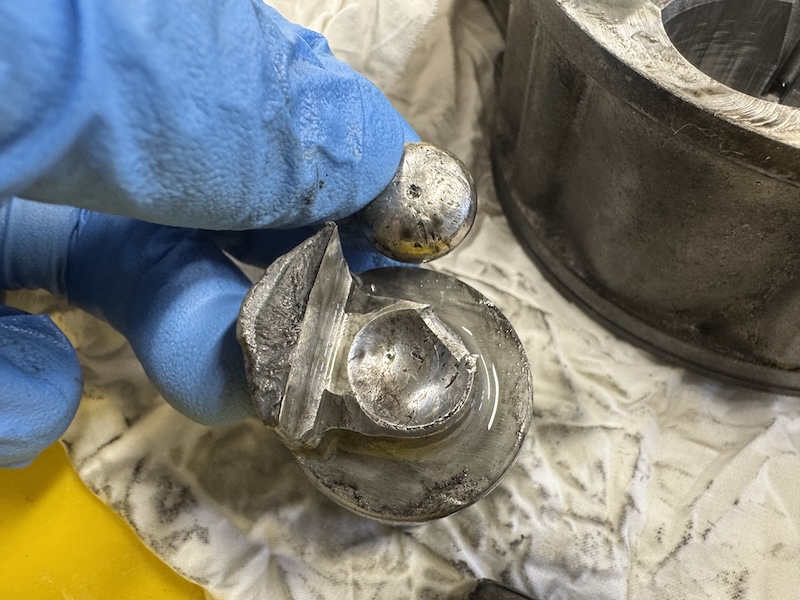
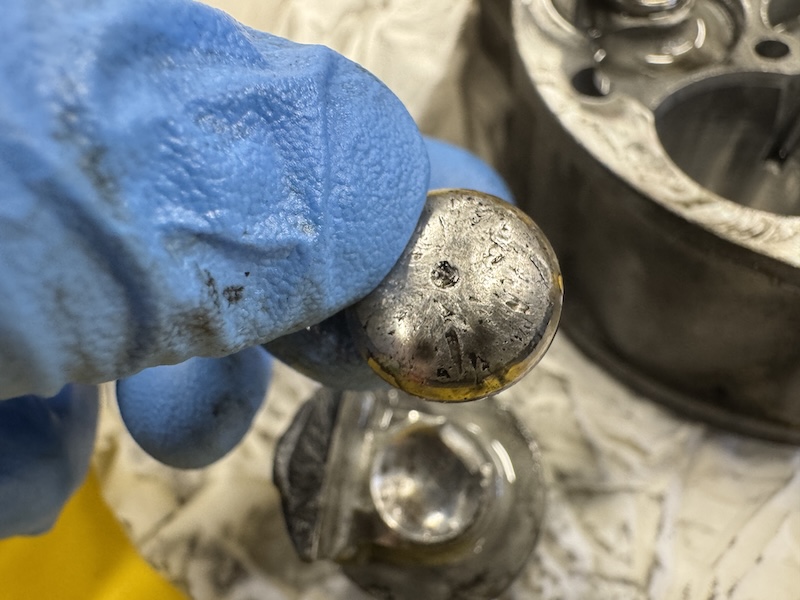
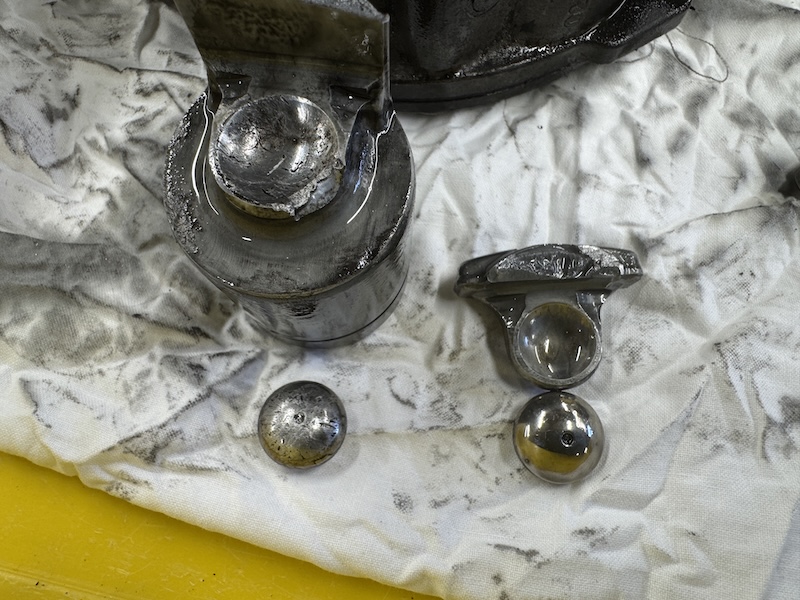
Im not sure what has caused it. Given that the refrigerant circuit is sealed, it’s unlikely that an external foreign object entered the compressor. Any debris would almost certainly have been generated internally.
Its also evident that on that one piston that is broken, one of the disc part has particularly worn on the convex side – just on one of the two in that piston. That makes me wonder whether a single component developed excessive clearance or suffered lubrication failure before the catastrophic breakage occurred
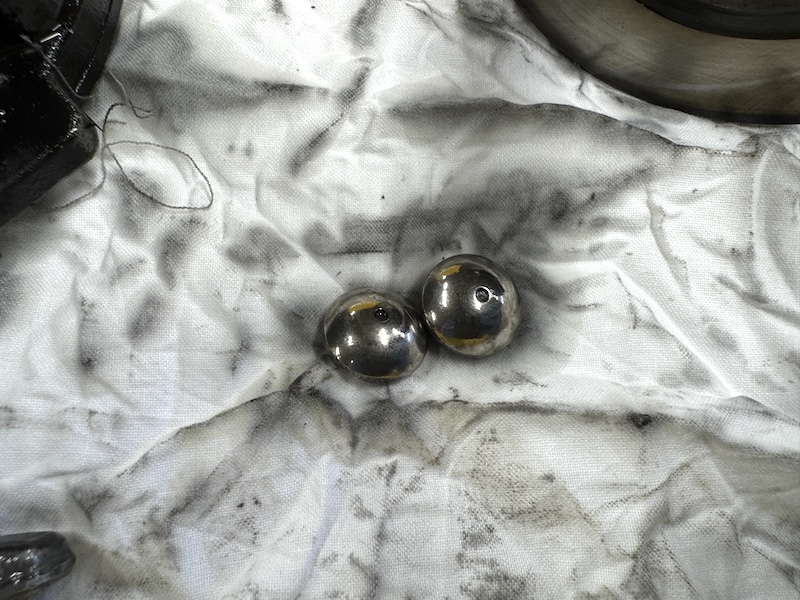
On all the other 5 pistons, the pistons and discs look serviceable to me, as below;
As far as I’m aware, the system has never been opened or recharged during the car’s life, so the compressor has likely been running on its original oil for 380,000 miles.
It’s possible that oil degradation contributed to the wear, although I’d have expected to see similar wear patterns on the other five pistons if lubrication alone was the cause.
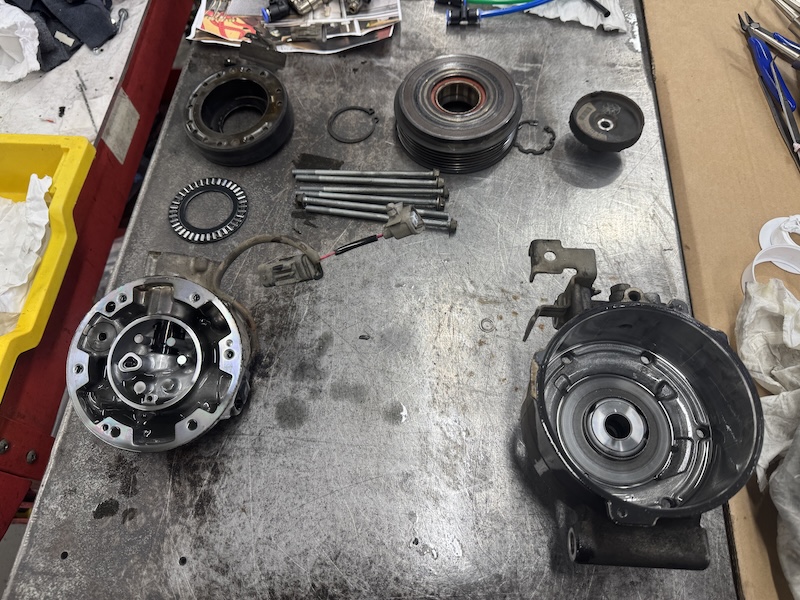
Ultimately, I suspect the compressor simply reached the end of its service life. My best guess is that wear allowed one of the piston assemblies to move out of position, causing the compressor to lock up. The fractured piston and damage to the disc may therefore be a consequence of the lock-up rather than the original cause, although that’s only speculation.
At 380,000 miles I think it’s earned its retirement. If anyone with experience rebuilding Denso compressors can shed any light on the root cause, I’d love to hear your thoughts.
Views: 93
One thought on “2016 W212 OM651 Aircon Compressor Failure / Replacement / Stripdown”